Kidney Stones
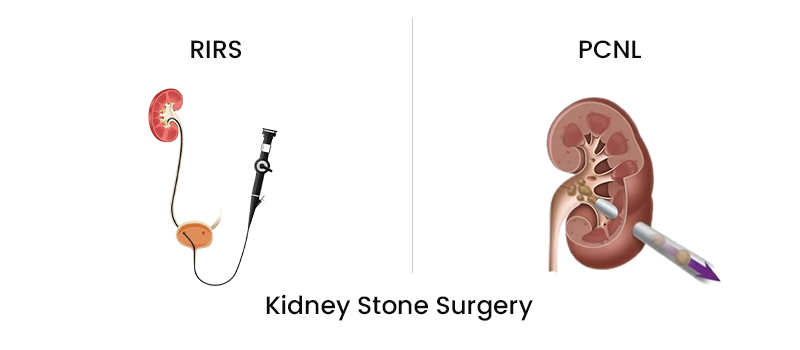
Kidney stones are among the common conditions treated in urology. A stone can remain in the kidney without causing symptoms or may move into the ureter and cause significant pain.
Symptoms may include:
- Sharp pain in the side or back
- Pain extending toward the lower abdomen or groin
- Blood in urine
- Nausea or vomiting
- Burning while urinating
- Frequent urination
- Difficulty passing urine
Treatment depends on the stone’s size, location, number, symptoms, and other clinical factors. Some stones can be observed, while others may require active removal.
Enlarged Prostate
An enlarged prostate can affect urine flow because the prostate surrounds part of the urethra.
Symptoms may include:
- Weak urine stream
- Difficulty starting urination
- Frequent urination
- Urgency
- Increased nighttime urination
- Feeling that the bladder has not emptied completely
- Stopping and starting while urinating
Evaluation may include medical history, physical examination, urine testing, ultrasound, uroflowmetry, and other tests when required. Treatment may involve medication or a procedure depending on the severity and individual circumstances.
Urinary Tract Infections
Urinary infections may affect different parts of the urinary system.
Common symptoms include:
- Burning during urination
- Frequent urination
- Urgency
- Lower abdominal discomfort
- Changes in urine
- Fever in some cases
Recurrent infections may require investigation to determine whether an underlying urinary problem is contributing to the recurrence.
Blood in Urine
Blood in urine, known medically as hematuria, can have several possible causes.These may include kidney stones, urinary infections, prostate conditions, or other urinary tract conditions. Visible blood in urine should not simply be assumed to be caused by a minor problem. Medical evaluation may be required to identify the cause. Depending on the situation, investigations can include urine testing, imaging, cystoscopy, or other appropriate tests.
Bladder Problems
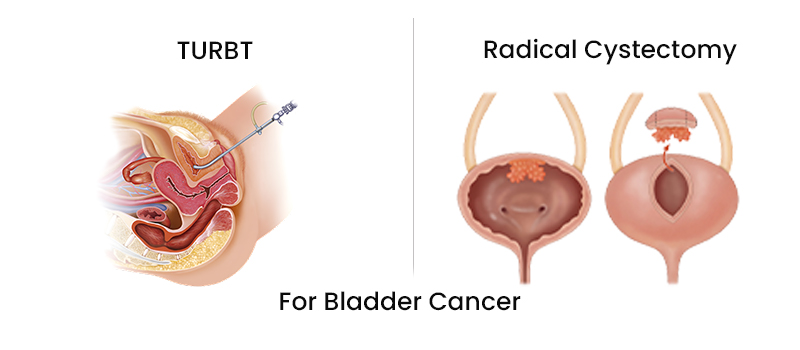
Bladder-related symptoms can include urinary urgency, frequent urination, difficulty emptying the bladder, urinary leakage, or blood in the urine.The cause of bladder symptoms can vary, so evaluation is important before selecting treatment.
Male Infertility
Male infertility can result from several factors involving sperm production, sperm transport, hormones, or other reproductive conditions. A urologist may assess the patient’s medical history and recommend investigations such as semen analysis or hormonal evaluation when appropriate. Treatment depends on the underlying cause.
Erectile Dysfunction
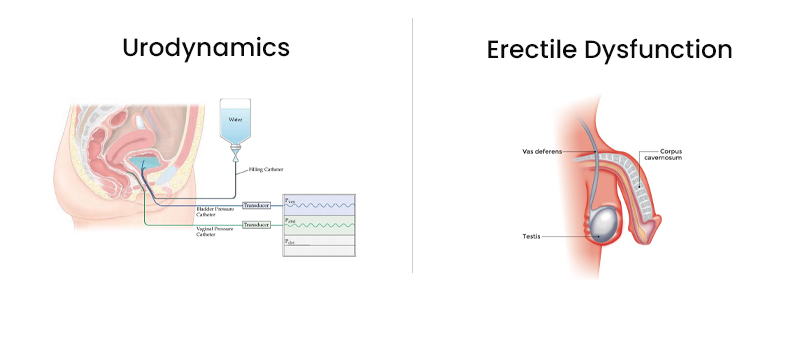
Erectile dysfunction refers to difficulty achieving or maintaining an erection sufficient for sexual activity. It can have different causes, including vascular, hormonal, neurological, medication-related, or psychological factors. A medical evaluation can help identify possible contributing factors and guide treatment.